Building Better Morning Habits

Morning gymnastics routine preparation
How the Fletcher Family Built a 15-Minute Morning Gymnastics Habit

A step-by-step account of building consistency without adding chaos

How the Fletcher Family Built a 15-Minute Morning Gymnastics Habit

A real account of how one family turned chaotic mornings into productive gymnastics practice without adding stress to their schedule.

Why the Kowalski Method Works for Reluctant Young Gymnasts

Making practice appealing by removing the pressure to perform

Why the Kowalski Method Works for Reluctant Young Gymnasts

One family's approach to morning gymnastics when their child resisted structured practice but needed the conditioning work.

What the Nguyen Twins Taught Their Parents About Morning Routines

Managing different goals and abilities in the same household

What the Nguyen Twins Taught Their Parents About Morning Routines

Two sisters with different gymnastics goals needed separate routines in the same small space at the same time each morning.

How the O'Connor Family Recovered From a Failed First Attempt

Building something sustainable after an overly ambitious start

How the O'Connor Family Recovered From a Failed First Attempt

What happened when an ambitious morning gymnastics plan collapsed, and how one family rebuilt something that actually worked.

Why consistency matters more than intensity

Starting a gymnastics routine at 6am sounds ambitious until you realise it's about showing up, not performing perfectly. The first week felt impossible. My body protested every stretch, every movement.

What changed everything was lowering the bar. Instead of an hour-long session, I committed to fifteen minutes. Just enough to wake up my muscles without exhausting my willpower. Three months later, those fifteen minutes became thirty, then forty-five.

The lesson? Your morning routine should feel sustainable, not heroic. Build the habit first, then expand it.


Three elements that make or break your morning

Space

A clear two-metre area is enough. No equipment needed initially. Just floor space where you can stretch without hitting furniture.

Timing

Wake up thirty minutes earlier than usual. Not for the full routine, but to allow fifteen minutes of movement plus time to ease into the day without rushing.

Sequence

Start with joint mobility, move to dynamic stretches, finish with balance work. This order prevents injury and builds body awareness progressively.

How I structure my current routine

My alarm goes off at 5:45am. I don't check my phone. Instead, I drink a glass of water I prepared the night before and head straight to my practice area.

The first five minutes are always the same: ankle circles, wrist rotations, neck rolls. Nothing fancy. These movements wake up my nervous system and signal to my body that we're starting.

Next comes dynamic stretching. Leg swings, arm circles, torso twists. I spend eight minutes here, gradually increasing range of motion. This is where I notice if something feels tight or off.

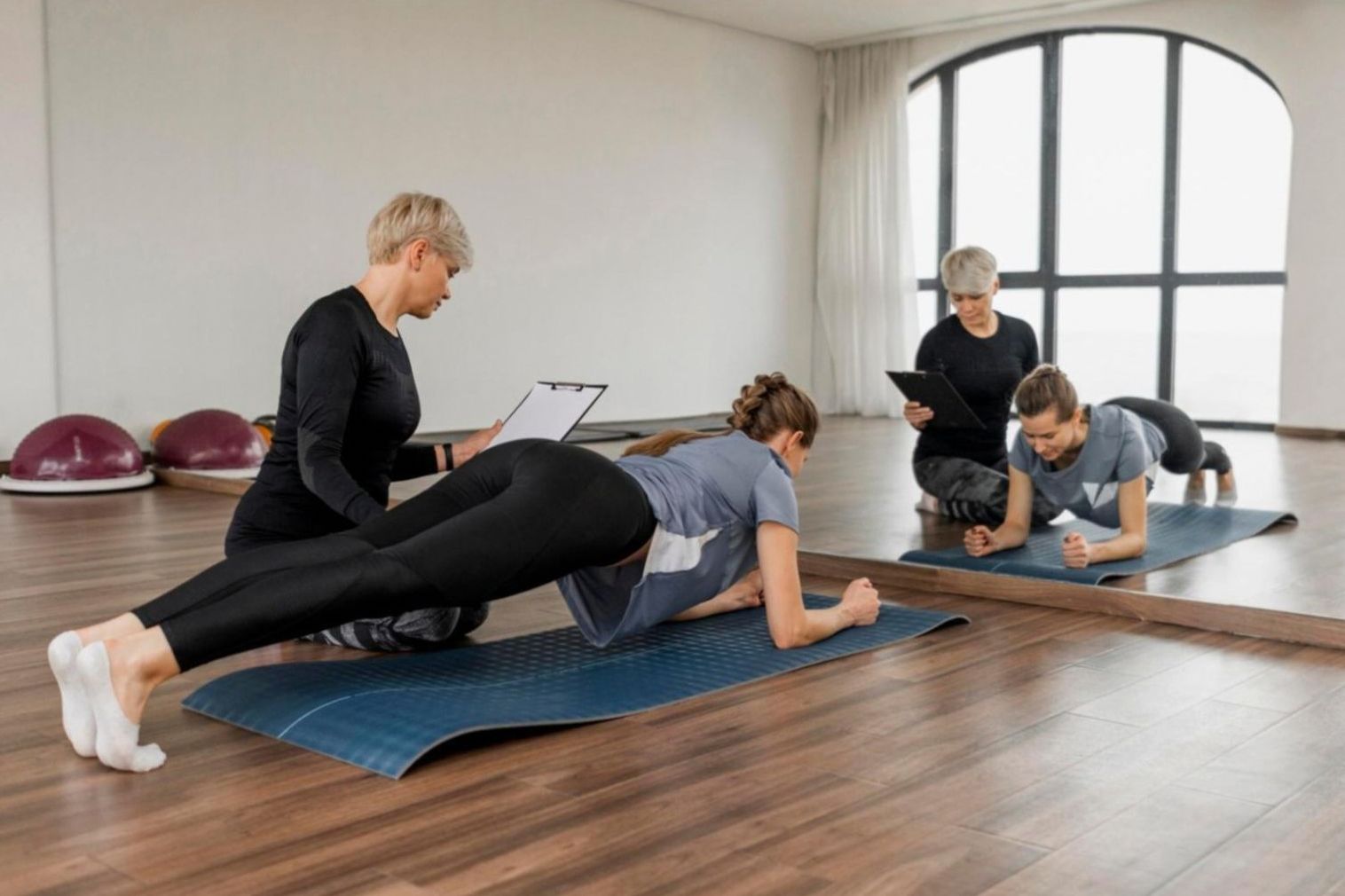
The final section focuses on balance and core stability. Single-leg stands, plank variations, controlled breathing. This part varies depending on how my body feels that day.

By 6:30am, I'm done. Showered and ready for coffee. The entire session takes forty minutes, but the impact lasts all day. My posture improves. My energy stays steady. My stress response feels more manageable.

This routine took months to refine. I tried different sequences, different timings, different intensities. What works for me might not work for you, but the principle holds: find a sustainable pattern and protect it.